The first job is to make the clip inspectable.
If the pipeline cannot show what it saw, the matcher does not matter. That is why the preview centers on isolation clips, skeleton renders, and stride metrics.

I started Who Do I Run Like because running form lives in footage, not in a pace chart. The current version is about making that footage readable.
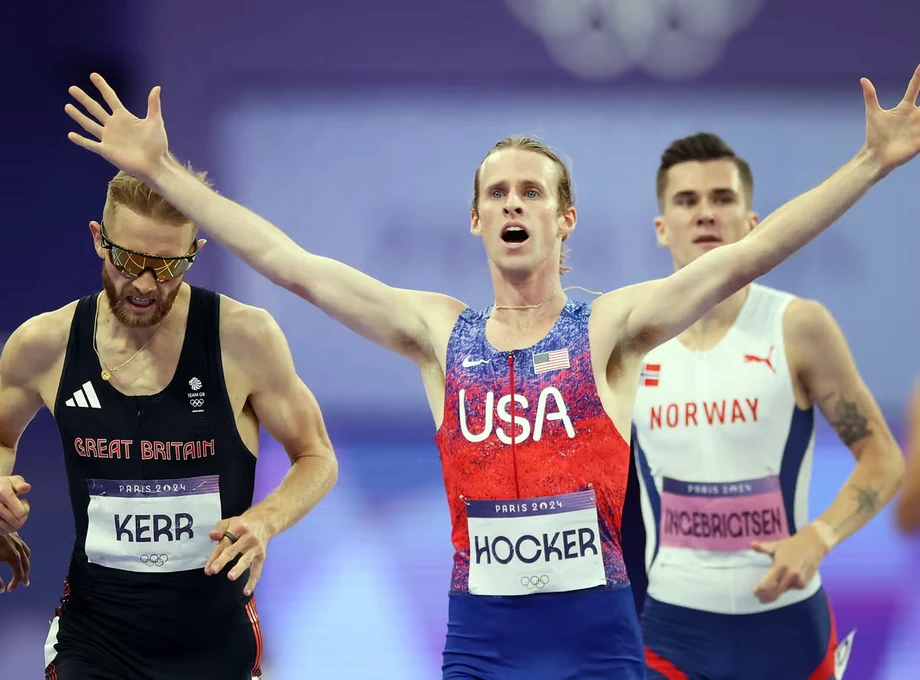
The question is playful. The work underneath is plain computer vision: pick a runner, read the pose, and inspect the result.
See Cole's clipsIf the pipeline cannot show what it saw, the matcher does not matter. That is why the preview centers on isolation clips, skeleton renders, and stride metrics.
Analyzed runners
5
Processed clips
6
Primary output
Stride metrics
If someone shares a clip, it should be because they want to help test the pipeline. The upload flow says that directly.
Similarity search needs enough clean examples to avoid pretending. Right now, the honest product is the technical preview: upload a short clip, process it, and review what the model extracted.
Pace and splits are useful, but they flatten how someone moves. Video keeps the messy parts: posture, rhythm, arms, knees, camera motion, and people blocking the view.
A clip can move through the backend and come back with runner isolation, a pose skeleton, quality checks, and feature files that describe the stride.
It is not a coach, a diagnosis tool, or a serious matcher yet. The matching layer needs more clean examples before it can make honest comparisons.
The gallery shows the clips that have actually gone through the pipeline. It is small on purpose.
Open gallery